


The pancreas is a very capricious organ in the gastrointestinal tract.Once inflamed due to malnutrition, the slightest irritation will retaliate with pain and nausea.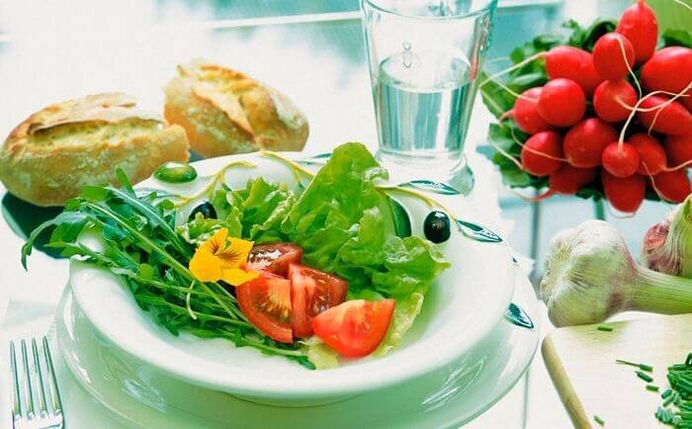 If you know exactly what you can eat during pancreatitis and what you must give up, recurrences can be reduced to zero.
What can you eat if you have pancreatitis?
Before delving into the product list in detail, you need to have a firm understanding of the nutritional fundamentals of pancreatic inflammation.First, you shouldn't eat anything fried, dried, or smoked.All products are boiled or stewed.
The freshness of the ingredients is also extremely important.Even approved products can cause irreparable harm if they expire.Therefore, you should always check the shelf life on the packaging.
The Section 5 diet includes a fairly wide range of permitted foods.But there's no room for salty nuts or potato chips.Spicy solid foods are prohibited.So men need to forget beer and dried fish, and kids need to forget fast food.This is no reason to be depressed.Instead, it’s an excuse to cleanse your body of toxins and start a healthy lifestyle.
| allow | prohibit |
| Stale bread, day-old bread, oatmeal cookies, honey, crackers, jam, marshmallows | Fresh bread, muffins, pastries, pies and other baked goods |
| Soup made from vegetables, grains and thin noodles | Thick soup with fatty meat and fish, borscht, okroshka |
| Fat-free meats: chicken, veal, fish, rabbit, turkey | Beef, pork, duck, dumplings, fish liver |
| Homemade cheese, yogurt, goat's milk | Sausages, frankfurters, sausages, bacon |
| Yolkless egg omelette, quail eggs | Kimchi, marinades, sauerkraut, peppers |
| Buckwheat, semolina, oatmeal, rice | Condensed milk, candies, jams, different types of ice cream |
| Zucchini, potatoes, sea kale, dill, beets | all legumes |
| Non-acidic fruits of fruit and berry plants, dried fruits; from nuts: almonds, hazelnuts, peanuts (peanuts) | Spicy snacks, vegetables, and sour fruits, including cherries |
| Lightly brew warm tea, rosehip soup, fresh homemade juice | Alcohol and soda of any strength, brewed tea, cocoa, coffee |
What vegetables can you eat?
Vegetables are very important in a healthy human diet.They contain many useful vitamins and minerals that are necessary for the normal functioning of internal organs.However, herbal products should be used with great caution.
For the first week after the pancreatic attack, they ate only carrots and potatoes.During this period, they were simply boiled and mashed into a liquid puree and eaten without salt, oil or any seasoning.
A few weeks later, table number 5 added beets, squash and zucchini.It can also be boiled and crushed, but add a spoonful of butter and a pinch of salt.
After a few months, when the condition is stable and there are no acute attacks, the menu may include other vegetables:
- brocoli;
- tomato;
- cucumber;
- Green peas.
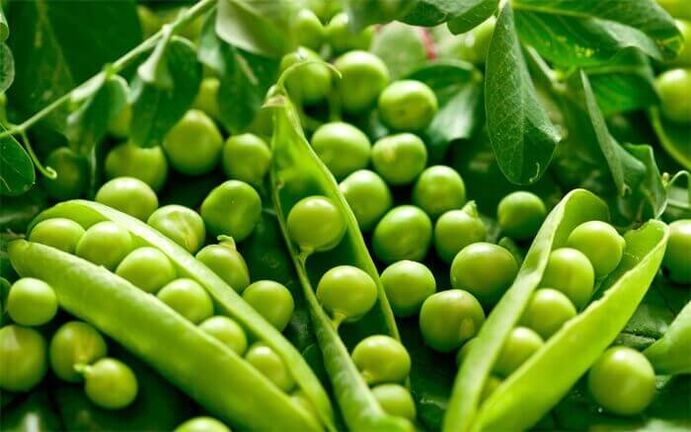
Don't try more than a teaspoon at a time when trying any new vegetable.Cabbage and peas should only be boiled as part of vegetable soup or puree.
What fruits and berries can you eat if you have pancreatitis?
For acute pancreatitis or cholecystitis, it is not advisable to eat any fruits and berries in the first few days after the attack.The exception is dried rose hips.Their decoction has a beneficial effect on the pancreas.
As symptoms improve, new berries and fruits are gradually introduced:
- baked apples (alone or in a casserole);
- Dried apples and pears (use them to make preserves);
- Blackcurrants, chokeberries, raspberries (jelly, preserves, mousses, casseroles).
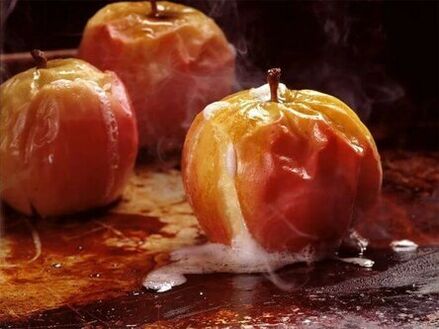
For chronic remitting pancreatitis, you can eat melon slices and bananas.If the pancreas has been quiet for six months, they start pampering themselves with cherries, strawberries, apricots and plums.
For meal items, fruits and berries should only be purchased fresh, not frozen.It would be great if you have the opportunity to buy vegetables and fruits from trustworthy suppliers (for example in villages) who do not use harmful additives when growing their produce.
What kind of bread can you eat if you have pancreatitis?
Bread is not prohibited for pancreatitis or cholecystitis.You can eat almost any type of product except hot sweet baked goods.But there are also restrictions for different stages of pancreatic disease:
- Immediately after aggravation, completely exclude flour for a few days.
- After a week or two, with the positive momentum of calming the pancreas, add some rye or wheat bread crackers to the soup.
- One month after the acute attack, you can eat small slices of crustless bread.Importantly, this product is not baked with the highest grade of flour.Prefer wheat and rye breads.And you can't eat fresh baked goods.
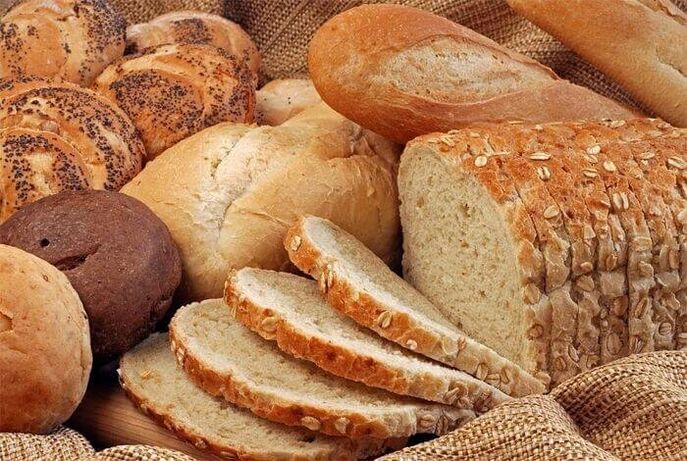
Often, for pancreatic diseases, alternative breads are used.Bread made from rice and buckwheat flour is very popular.
Bagels and cookies are perfectly fine with tea or jelly as an alternative to cakes and unhealthy sweets.
What candy is allowed?
Many sweet foods are undesirable to inflamed glands.This applies to foods that are high in fat, sugar or cocoa, such as ice cream, chocolate and custard.
Sugar is also harmful because diabetes often accompanies pancreatitis.Therefore, it is unwise to cause excessive increases in blood sugar.
Baked apples and pears can round out your dietary menu.Natural cane sugar is healthier for the body and tastes better.Fruit can be sprinkled with cinnamon or coated with honey.
Berry pudding with cheese is delicious.Also, for chronic pancreatitis, you can drink strawberry or raspberry jelly.It is important to choose fresh berries for dishes that are moderately sweet and ripe enough without any noticeable sourness.

meat and eggs
Steamed egg rolls are one of the dishes included in Table 5's diet.Although nutritionists warn that egg yolks are difficult to digest.This is why omelets are usually made with only egg whites.Boiling eggs, especially fried eggs, is prohibited.
Gastroenterologists recommend choosing a diet that includes meat and poultry.You can buy chicken or turkey fillets and steam schnitzel or meatballs.If the chronic inflammation of the pancreas is relieved, you can eat lean beef.
When preparing meat dishes, all membranes, cartilage and veins need to be carefully removed.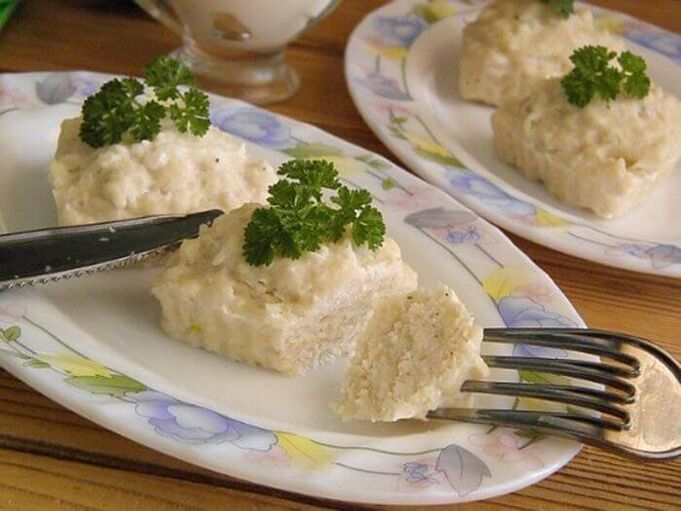 For minced meat, mince the meat twice.That is, they do everything possible to avoid the digestive process as much as possible and not burden their gastrointestinal tract with rough solid foods.
What kind of fish can you raise?
Fish fillet is an excellent diet dish.Due to the content of useful elements, such foods are easy to digest and well supported.The main thing is to choose the right type of fish according to its fat content:
- After the acute attack subsides, the first acceptable species are so-called lean fish, whose fat content does not exceed one percent.In the second week of recovery, you can prepare fish dishes with seabass, pike, blue cod, saffron cod, cod and lemonade.
- Barracuda, lamprey, argentino and mullet are considered slightly fatter.Their fat content reaches two percent.Dishes with this fish were introduced to the menu after it was convinced from previous types that pancreatic juice could cope with it.
Nutritionists recommend starting your fish menu with zander.This is an excellent form for weak bodies, absorbs well, and causes no allergies or unexpected complications.
What dairy products to choose?
If you have problems with your pancreas, you need to be careful with dairy products.Most of these foods cause unnecessary stress to all organs in the gastrointestinal tract.
Definitely avoid adding high-fat cheese, yogurt, processed cheese and condensed milk to your menu.Choose only low-fat versions of sour cream and cheese.
Kefir is great for stimulating gastric motility and restoring intestinal flora.It is very useful to drink it by adding a small amount of turmeric and cinnamon.This is a natural probiotic that can restore health after taking heavy doses of medications or antibiotics.
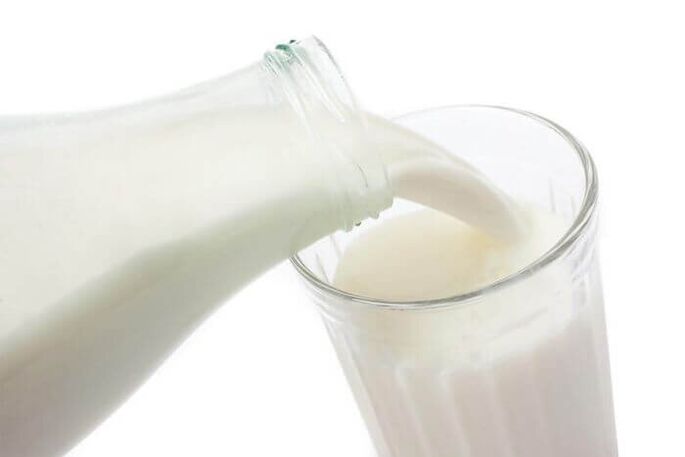
But there is a contraindication to taking fermented dairy products for people with highly acidic gastritis.In this case, it is not advisable to drink kefir to avoid further exacerbating the alkaline imbalance.
During remission, regular milk (which must be processed) can be added to cereals.Children recover more quickly from pancreatic attacks than adults.After a few days of dieting, they drank milk soup and homemade noodles.
Are all grains safe to eat?
Porridge is one of the most versatile dishes suitable for any diet.But here are some rules for people with pancreatitis:
- During the acute phase of the disease, only mushy liquid mucus soup made from crushed oatmeal or rice is allowed;
- During remission, they eat ordinary oatmeal, rice, buckwheat and semolina porridge, with a little butter and a little salt added.
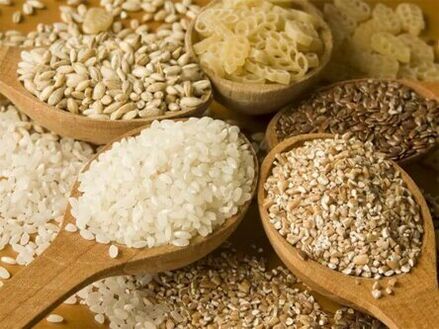
Porridge made from corn and peas can worsen pancreatitis.Even in small amounts, beans as part of soup can interfere with pancreatic juice production.Only after a few months of steady remission are fresh green peas carefully introduced to the menu.
The use of barley and wheat grains is also highly undesirable.Gastroenterologists consider them difficult to digest and break down.
What seasonings can be used?
To diversify the menu, you can use many useful spices even with pancreatitis.We are talking about the following types of spices:
- turmeric and cloves;
- fennel and cumin;
- Sesame;
- Herbs de Provence;
- celery;
- Parsley and dill (fresh and dried).
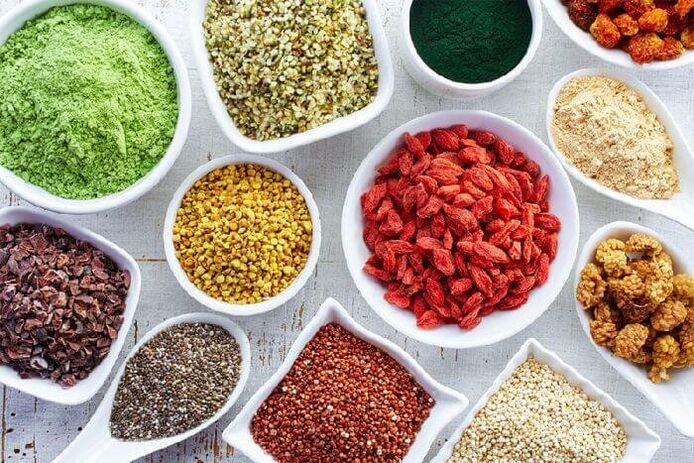
The spices listed are safe to use during remission of chronic pancreatitis or a few weeks after it has worsened.Garlic, horseradish, vinegar and chili peppers of any kind (peas, crushed peppers, fresh chili peppers) are strictly prohibited.
Onions are controversial among nutritionists.Some gastroenterologists believe that these green vegetables are not recommended for treating pancreatitis.Others allow onion soup to be added to the soup.If there has been no recurrence for more than six months, you can add a little green onion to your vegetable salad.
Nuts and seeds
Nuts and seeds do contain a lot of vitamins.But unfortunately, if there is a problem with the pancreas, the body has a hard time breaking down saturated solid foods.Especially high-fat nuts such as walnuts.
But there are still some nuts that can be added to the diet menu.This is the cedar and hazelnut variety.They are introduced into the diet in a crushed state during the remission phase.It is best to add a little, no more than a teaspoon, to a casserole or mousse the first time and monitor the patient's condition for any worsening.If you experience a slight feeling of heaviness in your upper abdomen or nausea after consuming it for a period of time, eliminate this ingredient.
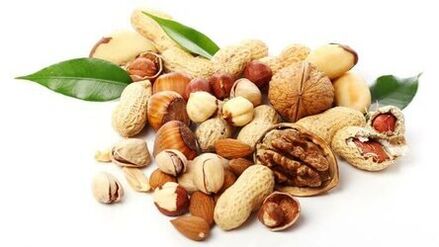
You can only eat pumpkin seeds raw.They are used for baking bread.But again, it’s best to consult your doctor as all situations vary from person to person.
drinks
In addition to clean water, you can also drink mineral water, but it is not carbonated.Therapeutic water balanced with beneficial minerals has positive effects.
Pancreatitis can be treated with decoctions of herbs and dried berries or rose hips.Pharmacies offer special pancreatic infusions that can be brewed instead of tea.
As for ordinary black tea, if you brew it lightly, you can drink it on the second or third day after an acute attack.No sugar is added to the tea.Instead, you can use a little honey as a substitute.
Chicory is considered beneficial to the diet.It can be used in place of coffee and as a medicinal decoction.Chicory can be consumed with milk if permitted by your attending physician.
It is not recommended to drink pure milk.Low-fat pasteurized milk is used to make milk soup, first diluted half with water.
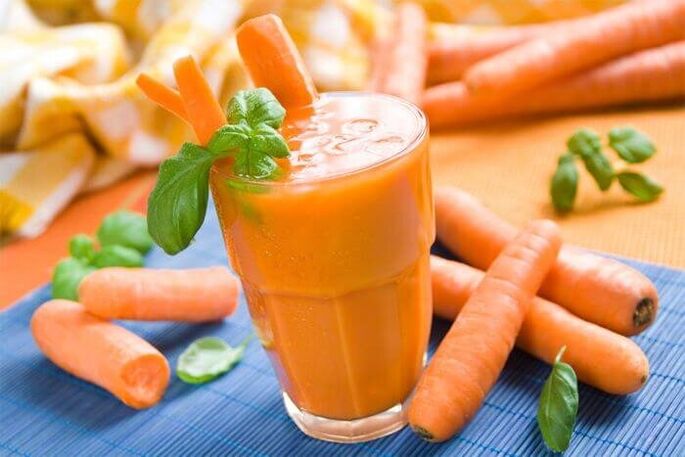
If the risk of recurrence has passed, you can drink certain types of fruit and vegetable juices:
- carrot apple;
- beet potatoes;
- apricot;
- pumpkin
Berry and fruit preserves, jellies and mousses are great alternatives in terms of health and taste.
Can I drink alcohol if I have pancreatitis?
When asked about alcoholic beverages, gastroenterologists gave a clear no.Alcohol is one of the most common causes of pancreatitis.
More than 40% of men who regularly consume harmful beverages suffer from inflammation of the pancreas.Drinking alcohol during pregnancy can harm your child's health and increase the likelihood of pancreatic disease.

What should you not eat if you have pancreatitis?
Pancreatitis is a disease that forces you to give up a lot of fun.So, along with alcohol, soda, Coca-Cola and coffee disappeared from life.And food - anything fast, fat, lard and canned goods.
acute phase
The acute phase of pancreatic inflammation requires careful food selection.Avoid spicy spices and vegetables or fruits that contain a lot of fiber and acid:
- cabbage;
- Grape;
- Oranges and lemons etc.
When an attack occurs, the first thing to do is to starve and give your digestive system an absolute rest.Then they started introducing liquid pureed foods.
Diet No. 5 includes many delicious dishes.There are many products allowed, but it is important to follow the preparation method.All grains, vegetables and fruits are boiled and thoroughly ground.
for chronic
Chronic pancreatitis also forces you to follow a strict diet.In fact, these products are the same ones used to treat acute inflammation of the pancreas.But they're processed in a less than gentle way.For example, vegetables can be eaten sliced without mashing.You can eat slices of bread, but not hot fresh flour products with the crust on.
Fried or smoked foods are still prohibited.You should not eat canned or pickled vegetables or fruits.
All types of fatty meat, fish and dairy products are prohibited.
For any type of pancreatitis, cabbage, radishes, citrus fruits, sorrel and other foods containing plant acids are still not advisable.
Example menu for patients in stable remission of chronic pancreatitis
Diet during stable remission of chronic pancreatitis can vary greatly.By allocating portions to 5-6 meals per day, you can create a rough menu of meals for the week.
on Monday:
- Thick semolina with protein mixture and tea.
- Steamed chicken balls with rosehip infusion.
- Vegetarian potato soup, boiled beets with a spoonful of butter, fish fillet, dried fruit preserves.
- Honey Baked Apples.
- Potato and meatloaf, boiled carrot salad, herbal tea.
- Kefir.
Tuesday:
- Hercules porridge, chicory and milk, a slice of bread.
- Boiled veal with carrots, honey and rosehip drink.
- Buckwheat soup, chicken meatballs, berry preserves.
- Curd Soufflé.
- Noodles served with ground turkey slices.
- Ryazhenka.
Wednesday:
- Cottage cheese and apple pudding, black tea with milk, biscuits.
- Roast pumpkin chunks with honey.
- Chicken and vegetable soup, croutons, berry jelly.
- Kefir.
- Fish fillet, buckwheat, tea.
- Herbal decoction.
Thursday:
- Make porridge with rice milk, dry it in the sun, and drink it with chicory.
- Carrot salad with low-fat sour cream.
- Vegetable puree soup, boiled fish fillets, a piece of rye bread, Uzvar.
- Kefir.
- Vegetable stewed chicken meatballs, tea.
- Rosehip Soup.
Friday:
- Milk soup, black tea.
- Grilled pears.
- Pumpkin puree soup, steamed veal fillet, berry jelly.
- Curd Pudding.
- Kefir.
Saturday:
- Semolina milk porridge, honey black tea.
- Roast pumpkin.
- Cauliflower and broccoli soup, boiled chicken, bread.
- Ryazhenka with bagel.
- Crushed buckwheat porridge, boiled beet salad with butter.
- Herbal tea.
Sunday:
- Curd pudding, a slice of berry jam bread, black tea.
- Boil carrot salad with a spoonful of flaxseed oil and sesame seeds.
- Diet borscht, steamed pork chops, uzvar.
- Steamed omelette, black tea.
- Crispy rice, stew, herbal tea.
- Ryazhenka.
Gradually, the list of dishes and permitted products on the dietary menu is expanding.